Landscape Maintenance to Keep Outdoor Spaces Neat Year-Round
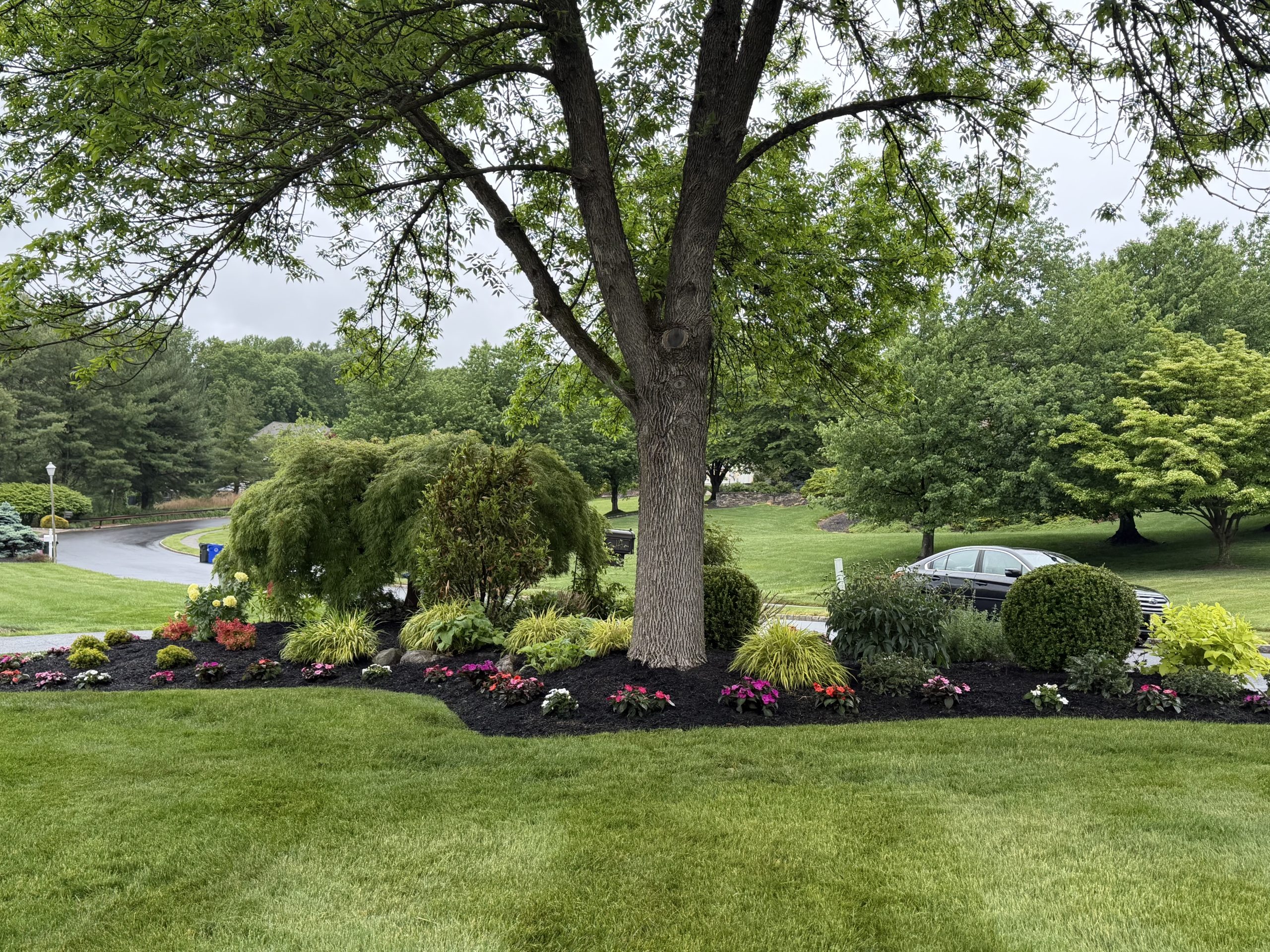

A tidy landscape rarely happens by accident. It is usually the result of steady, well-timed work, and just as important, restraint. One of the most common mistakes property owners make is treating the yard as a series of one-off chores. Grass gets cut when it looks shaggy. Shrubs get hacked back when they block a window. Beds get cleaned up when guests are coming over. That reactive approach can keep a property from looking neglected, but it rarely keeps it consistently sharp.
Good landscape maintenance is less about constant effort and more about rhythm. Every outdoor space has one. Turf grows in flushes, ornamentals put on seasonal growth, weeds exploit gaps, irrigation systems drift out of calibration, and hard surfaces collect debris in patterns that tell you where water and foot traffic are moving. Once you understand that rhythm, maintenance becomes more efficient, less expensive, and far more effective.
There is also a practical reason to stay ahead of it. Deferred outdoor care compounds. A missed pruning window turns into heavy corrective cutting later. A clogged bed edge becomes grass invading mulch. A small irrigation leak becomes fungal pressure or dead patches in summer. By the time many owners notice a problem, they are not paying for maintenance anymore, they are paying for recovery.
What year-round neatness actually looks like
Neat does not mean sterile. The best-maintained landscapes still look alive. Perennials lean a little in bloom, trees cast litter in the wrong season, and mulch shifts after hard rain. The goal is not perfection. The goal is visual order, plant health, and function.
On a well-kept property, edges are clear, beds are defined, plant forms make sense, and circulation areas stay usable. Turf looks even from the street, not scalped in one area and puffy in another. Shrubs are shaped according to their growth habit, not sheared into submission because it is faster. Trees have clean trunks where appropriate, sound structure overhead, and no low branches forcing people to duck along paths or driveways. Irrigation supports growth without spraying pavement. Seasonal debris gets removed before it mats down and stains or smothers.
That standard applies whether the space is a suburban front yard, a multifamily complex, a retail frontage, or a backyard built around outdoor living. The scale changes, but the principles do not.
The backbone of Landscape Maintenance is timing
If I had to reduce landscape maintenance to one lesson, it would be this: timing matters more than intensity. Too much work at the wrong time can be as damaging as neglect.
Take pruning. Many shrubs tolerate casual trimming, but they do not all respond the same way. Spring-flowering shrubs set buds well before bloom, often the previous year. Prune them too late and you remove flowers before they open. Summer-blooming shrubs are more forgiving and often benefit from shaping before active growth. Evergreens can usually handle light seasonal cleanup, but repeated hard shearing often creates dense outer shells and bare interiors. From a distance that may look tidy for a while. Up close, it is a plant under stress.
Turf follows the same rule. Cool-season grasses and warm-season grasses have different peak growth periods. Fertilizing, mowing height, aeration, and overseeding should follow the biology of the lawn, not a generic calendar copied from another region. In one area, late summer may be the ideal time to renovate a lawn. In another, that same timing can be wasteful or even harmful.
Irrigation timing is just as consequential. Running a system in the dark and forgetting about it sounds convenient, but many landscapes are overwatered simply because no one adjusts the schedule after weather changes. Early spring often demands less water than people think. Mid-summer may require deeper but less frequent cycles than short daily sprays. In autumn, many systems should taper down well before the first hard freeze. Landscapes decline as often from poor water management as from drought.
A landscape is only as neat as its edges
Most people judge a property in seconds, and edges do a surprising amount of that work. Crisp transitions between lawn and bed, gravel and path, mulch and pavement create instant definition. Even when the plantings are modest, good edging makes the whole site look intentional.
This is one area where maintenance crews separate themselves quickly. A clean mow with ragged edges still reads unfinished. Beds need to be redefined periodically because turf creeps, mulch softens outlines, and rain blurs cuts. Along walkways, driveways, and curbs, trimming should be precise enough to clean the line without gouging the soil or exposing roots. Those details do not take the most time, but they are often what people notice first.
The same principle applies vertically. Low branches over sidewalks, sprawling perennials across steps, and foundation shrubs pressing into siding all make a space feel unmanaged. Neatness is not just visual. It affects access, safety, and wear on the property itself.
Turf care without chasing an unrealistic lawn
Lawns dominate many outdoor spaces, so when they slip, the whole property looks tired. That said, year-round neatness does not require a flawless, golf-course lawn. https://landenxnwn022.theglensecret.com/landscape-maintenance-basics-for-a-tidy-and-inviting-landscape In fact, chasing that standard often leads to overwatering, excessive fertilizer use, and needless replacement.
A lawn looks well maintained when it is mowed properly, fed judiciously, and protected from compaction and stress. Mowing height matters more than many people realize. Cutting too low exposes soil, weakens roots, and creates ideal conditions for weeds. It also changes the color and texture of the turf in a way that makes it look thin, even right after mowing. A slightly higher cut usually produces a denser, healthier stand and a cleaner appearance between services.
Clippings are another point of confusion. When a lawn is mowed regularly and not allowed to get overgrown, mulched clippings usually disappear back into the turf and provide some nutrient return. Thick windrows left behind are not a sign that clippings are bad. They are usually a sign the grass got too long before it was cut, or the mower setup was wrong for the conditions.
Bare spots deserve a diagnosis, not just seed. Repeated thinning along a fence may point to poor airflow and disease pressure. Worn paths may signal a traffic pattern that should be addressed with stepping stones or a widened walk. Yellowing near pavement can indicate heat stress or irrigation coverage problems. Good landscape maintenance solves causes, not just symptoms.
Shrubs and ornamentals need a lighter hand than most people think
The fastest way to make a landscape look neat for a week and awkward for a season is over-pruning. It happens everywhere, especially with foundation plantings and fast-growing hedges. Crews shear everything to one line because it is quick, and owners assume uniformity equals quality. The result is often a row of plants that looks tight on the outside and exhausted on the inside.
Better maintenance starts with understanding the intended size and habit of the plant. If a shrub naturally wants to reach eight feet wide, installing it in a four-foot space means maintenance will always feel like damage control. You can keep forcing it smaller, but that effort repeats forever. In mature landscapes, selective thinning and reduction cuts usually create a better result than constant surface shearing. The plant keeps a more natural form, light reaches interior growth, and the landscape looks cared for rather than manufactured.
Perennials and grasses have their own maintenance cadence. Some should be cut back hard in late winter or early spring. Others offer strong winter structure and should be left standing until the season turns. Deadheading can extend bloom on certain species, but not all. A good gardener knows when to tidy and when to leave enough alone. There is judgment involved, especially in mixed borders where one plant is peaking while another is fading.
Mulch, soil, and weed pressure are closely connected
A fresh layer of mulch can make an entire property look renewed, but mulch is not just cosmetic. It moderates soil temperature, suppresses weeds, slows evaporation, and helps create a finished appearance around plantings. Still, more is not better. Over-mulching is one of the more common maintenance errors, particularly around trees and shrubs. Piling mulch high against trunks traps moisture, encourages decay, and can lead to root problems. The so-called mulch volcano is still everywhere, and it is still wrong.
Most beds benefit from an even, moderate layer that covers soil without smothering root zones. How often that mulch needs refreshing depends on the material, sun exposure, irrigation, slope, and traffic. Shredded bark in a shaded bed may hold appearance longer than lighter material on a windy, sunny site. In commercial settings, where first impressions count and foot traffic is constant, top-dressing tends to happen more frequently.
Weeds, meanwhile, are often telling the truth about conditions. If a bed keeps exploding with weeds, there may be thin mulch, disturbed soil, poor plant coverage, or irrigation overspray feeding germination. Hand-pulling works when infestations are light and timely. Let weeds seed out once or twice and the workload rises fast. In practice, weed control is won through consistency more than heroics.
Water management is where tidy landscapes stay healthy
A landscape can look decent while an irrigation system quietly wastes water for months. Broken heads, tilted rotors, clogged nozzles, pressure mismatches, and drift onto hardscape are common. So are systems programmed once in spring and never touched again.
Routine irrigation checks should be part of landscape maintenance, not an emergency response after plants fail. A useful inspection is simple and visual. Run each zone, walk it, and watch for coverage gaps, misting, geysers, and runoff. Check whether spray heads are hitting trunks, siding, or sidewalks. See whether rotors are overshooting narrow strips and sending water into the street. If one section of turf is always greener than the rest, look for a leak or a valve issue. If beds stay soggy while nearby plants wilt, odds are the distribution is uneven.
Hand watering has its place, especially for new installations and container plants, but it should not become a permanent substitute for fixing a poorly performing system. The longer that workaround continues, the harder it is to maintain consistency.
Drainage deserves equal attention. Standing water after rain, erosion in mulch beds, algae on paving, and persistent mud near downspouts are maintenance issues, not just design issues. They make spaces look messy and wear them out prematurely.
Hardscapes set the stage for everything else
People often think of landscape maintenance as plant care, but paving, walls, fences, lighting, and outdoor structures contribute just as much to the impression of order. A neatly maintained bed loses impact if the walkway is stained, the joints are full of weeds, or the paver edge is lifting.
Sweeping and blowing are basic tasks, but they matter. Leaves left in corners and against thresholds suggest neglect even when the plants are healthy. Moss or algae on shaded paths can make a property feel damp and uncared for, and on some surfaces it becomes a slip hazard. Joint sand in pavers migrates over time and needs replenishment. Timber edging rots, steel edging heaves, and gravel paths drift unless someone corrects them early.
Outdoor lighting often gets forgotten until a fixture fails outright. Yet crooked path lights, lenses packed with debris, and fixtures swallowed by shrubs quietly age a landscape. When cleaned, straightened, and relamped as needed, they sharpen the property after dark and reinforce the sense that the grounds are managed, not merely occupied.
Seasonal shifts change the work, not the standard
The neatest landscapes are not the ones that look identical in every season. They are the ones that remain coherent as conditions change. Winter, spring, summer, and fall each ask for different kinds of attention.
In spring, the urge is to clean everything at once. Some cleanup is necessary, especially after freeze damage or heavy leaf accumulation, but over-eager spring work can compact wet soils and disturb emerging growth. It is smarter to prioritize safety, access, irrigation startup, and the removal of material that is clearly dead or diseased.
Summer maintenance is often about control. Growth is active, weeds move fast, irrigation errors show up quickly, and heat exposes weak spots in both plants and maintenance schedules. This is when mowing discipline, scouting, and timely pruning matter most. A landscape can shift from polished to tired in ten days if service intervals stretch too far during peak growth.
Autumn is one of the best maintenance windows of the year. Temperatures moderate, weed pressure may ease, and many repairs or improvements establish well. It is an excellent time for bed redefining, selective pruning, lawn renovation in suitable climates, and resetting the site after a hard summer. Leaves need to be managed before they mat down into turf and planting beds.
Winter depends on region, but it is never a true off-season. Even where growth slows dramatically, there is inspection work to do. Storm damage, drainage behavior, hardscape movement, dormant pruning, and planning for replacements all belong here. Properties that stay neat year-round usually use winter to get ahead, not to stop caring.
What a workable maintenance routine includes
A good routine is not a marathon list of chores. It is a repeatable system matched to the property’s scale, plant palette, and use. On most sites, the core work includes the following:
- mowing and edge definition on an interval that matches growth
- bed care, including weeding, mulch correction, and cleanup of seasonal debris
- pruning that follows plant type and timing rather than a blanket schedule
- irrigation inspection and adjustment as weather changes
- periodic attention to hardscapes, drainage points, and outdoor fixtures
The exact frequency depends on the property. A compact urban courtyard with containers and decorative paving may need more hand-detailing than mowing. A large residential lot with mature trees may need less frequent pruning but more seasonal cleanup. Commercial sites usually demand tighter standards because deferred maintenance is more visible and public-facing.
The difference between maintenance and over-maintenance
There is a point where more work does not equal a better landscape. Over-maintenance is real, and it shows up in stressed plants, compacted soil, excessive noise, and budgets that keep rising without improving results.
Frequent shearing is one example. Weekly blow-downs that strip every leaf from every bed can be another, especially in naturalistic plantings where some seasonal litter protects soil and supports appearance. Over-fertilizing lawns for color often leads to flushes of weak growth that require more mowing and more water. Replacing plants too quickly, before diagnosing whether they failed from soil, light, drainage, or maintenance mismatch, wastes time and money.
A well-run property has a settled look. It is clean but not overworked. Plants look like healthy versions of themselves, not like they have been forced into shapes they were never meant to hold.
When it makes sense to bring in a professional crew
Many homeowners can manage routine landscape maintenance themselves, especially on smaller properties. The challenge is not usually knowledge at the beginning. It is consistency by midsummer and judgment over time. As landscapes mature, tasks become heavier, timing becomes more important, and small mistakes get more expensive.
Professional help is often worth it when trees need structured pruning, irrigation systems require troubleshooting, access and safety standards matter, or the property is simply too large to keep up with realistically. The value is not just labor. It is trained observation. Experienced crews notice girdling roots starting to surface, fungal patterns in turf, shrub decline tied to grade changes, or runoff caused by one sunken paver at the top of a slope.
A useful provider does more than show up with mowers. They track seasonal needs, communicate what they are seeing, and adapt the service to the property instead of repeating the same script every visit.
The payoff is more than appearance
A neat landscape certainly improves curb appeal, but the deeper payoff is control. Regular landscape maintenance protects plant investment, extends the life of hardscape materials, reduces costly catch-up work, and keeps outdoor areas pleasant to use. That matters whether the space is personal, commercial, or shared.
People also respond to maintained spaces in practical ways. They use patios more often. They notice entrances differently. Tenants complain less about grounds. Buyers and visitors assume, fairly or not, that a cared-for landscape reflects a cared-for property. Outdoor spaces communicate before anyone steps inside.
The best year-round landscapes are not necessarily elaborate. Many are fairly simple, with durable plants, sensible spacing, and a maintenance plan that respects the site. What makes them stand out is steadiness. Beds stay defined. Turf stays balanced. Shrubs keep their character. Water goes where it should. Small issues get corrected before they become visible from the street.
That kind of order is never accidental. It comes from informed, ongoing work, done at the right time, with a clear eye for what the landscape needs and what it does not.
Majestic Mowing & Landscaping LLC
Phone number: +19733975532
FAQ About Landscape Maintenance
What is landscape maintenance?
Landscape maintenance is the ongoing care, cleaning, and upkeep of outdoor green spaces to keep them healthy, safe, and attractive.
Is $100 an hour too much for landscape work?
An hourly rate of $100 is not too much for specialized or professional landscape work, though it sits at the higher end of the standard pricing spectrum.
How much do landscapers charge for maintenance?
For professional landscaping maintenance, homeowners typically pay $100 to $410 per month for recurring services, or an hourly labor rate of $50 to $100 per hour per crew member.